
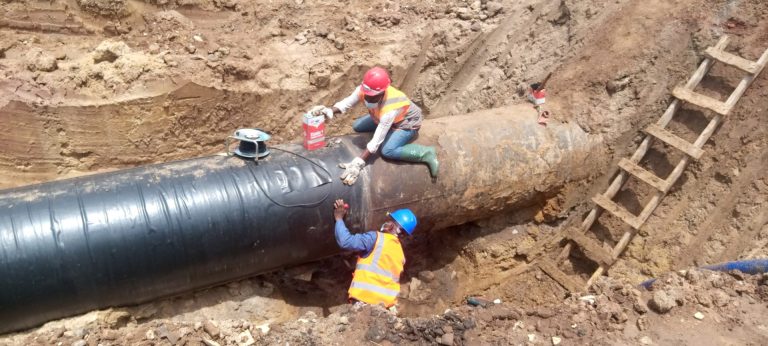
Cathodic Protection (CP) Level 1 Course
The Cathodic Protection (CP) Level 1 Course is an introductory training program designed to provide participants with a solid foundation in cathodic protection principles, corrosion control, and basic CP system operation. Cathodic protection is one of the most effective methods for preventing corrosion in pipelines, storage tanks, offshore structures, marine facilities, and other metallic assets exposed to corrosive environments.
This course introduces participants to the fundamentals of corrosion, electrochemistry, cathodic protection systems, field measurement techniques, safety requirements, and CP monitoring activities. Participants will gain practical knowledge of sacrificial anode systems and impressed current cathodic protection (ICCP) systems, including their installation, operation, inspection, and maintenance. The training combines classroom instruction with practical exercises to prepare participants for entry-level responsibilities in corrosion control and cathodic protection operations.
FOR CORPORATE BOOKING
It’s a lot easy for companies (corporate) to book courses their personnel courses with us, we are very flexible.
What You Will Benefit When Your Book Corporate Training With Oil Train:
Training Time Flexibility
Quality training facility
Tailored Training Delivery Mode
Training venue flexibility ( We can deliver this training at your location)
- Hard copy certificate sent to you
To book:
send a request to [email protected], [email protected]
Call Or Whatsapp
+2347036248614
Job Connect
Join Our Manpower Supply network
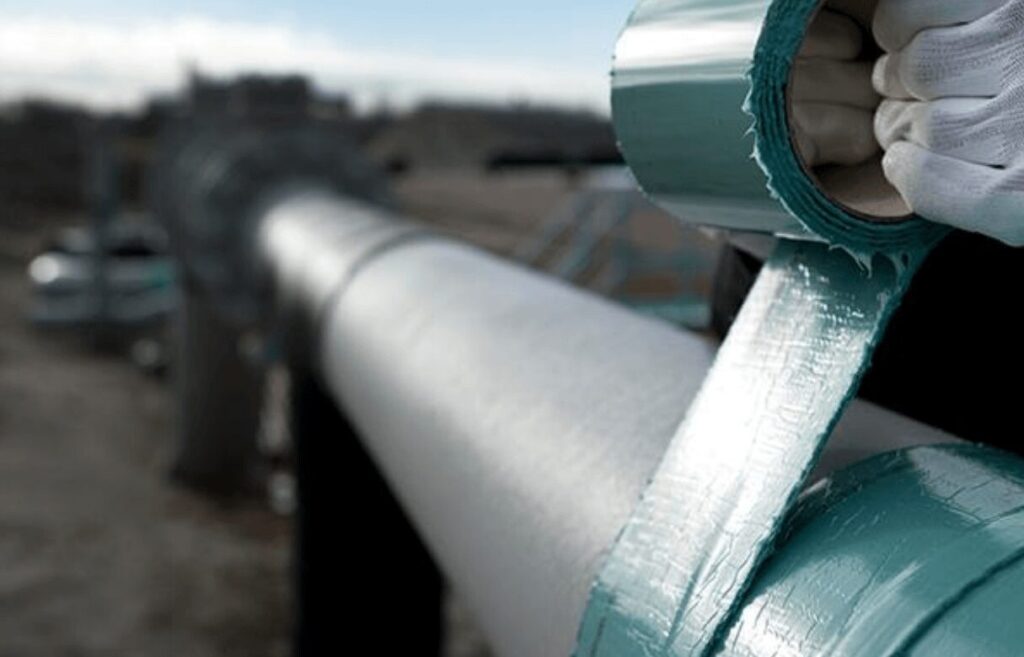

Course Outline
Introduction to Corrosion and Corrosion Control
- Fundamentals of corrosion
- Economic impact of corrosion
- Corrosion mechanisms
- Corrosion cells and electrochemical reactions
- Corrosion prevention methods
- Introduction to cathodic protection
Basic Electrochemistry for Cathodic Protection
- Atoms, ions, and electrical current
- Electrochemical cells
- Anodes and cathodes
- Oxidation and reduction reactions
- Electrode potentials
- Polarization concepts
Principles of Cathodic Protection
- Theory of cathodic protection
- Corrosion control mechanisms
- Criteria for cathodic protection
- Factors affecting CP effectiveness
- Advantages and limitations of CP systems
Types of Cathodic Protection Systems
- Sacrificial anode cathodic protection (SACP)
- Impressed current cathodic protection (ICCP)
- Comparison of CP systems
- Typical industrial applications
- System selection considerations
Components of Cathodic Protection Systems
- Anodes and anode materials
- Rectifiers and power supplies
- Cables and connections
- Reference electrodes
- Test stations
- Bonds and isolation devices
Cathodic Protection for Pipelines
- Buried pipeline corrosion
- Pipeline coating systems
- CP requirements for pipelines
- Pipeline monitoring practices
- Pipeline CP surveys
Cathodic Protection for Storage Tanks
- Aboveground storage tanks
- Underground storage tanks
- Tank bottom protection
- Internal and external corrosion control
- Tank CP monitoring
Cathodic Protection for Marine and Offshore Structures
- Offshore platforms
- Subsea pipelines
- Jetties and marine terminals
- Ship hull protection
- Splash zone corrosion protection
Electrical Measurements and Testing
- Voltage measurement principles
- Current measurement techniques
- Use of multimeters
- Pipe-to-soil potential measurements
- Reference electrode operation
- Data recording and interpretation
Cathodic Protection Monitoring and Inspection
- Routine inspection procedures
- CP monitoring programs
- Test station inspections
- Rectifier inspections
- System performance verification
- Inspection documentation
Cathodic Protection Troubleshooting
- Common CP system problems
- Electrical interference issues
- Coating defects
- Anode depletion
- Rectifier failures
- Corrective actions
CP System Installation Fundamentals
- Installation procedures
- Site preparation
- Anode installation
- Cable installation
- Electrical connections
- Quality control requirements
Safety in Cathodic Protection Operations
- Electrical safety
- Hazard identification
- Safe use of testing equipment
- Permit-to-work requirements
- Personal protective equipment (PPE)
- Emergency response procedures
Industry Standards and Regulations
- Introduction to AMPP/NACE standards
- ISO standards related to CP
- Pipeline industry requirements
- Regulatory compliance
- Industry best practices
Documentation and Reporting
- Inspection records
- Monitoring reports
- Data management
- Maintenance records
- Compliance documentation
Practical Field Exercises
- Reference electrode handling
- Pipe-to-soil potential surveys
- Rectifier inspection practical
- Current and voltage measurements
- Test station inspections
- Data interpretation exercises
Cathodic Protection Maintenance
- Preventive maintenance programs
- Routine inspections
- System adjustments
- Equipment replacement planning
- Long-term performance monitoring
Introduction to Advanced Cathodic Protection Concepts
- CP design overview
- Interference testing
- Close interval surveys
- DCVG and CIPS concepts
- Progression to CP Level 2
Benefits of Getting This Training and Certification
- Build a strong foundation in corrosion control and cathodic protection.
- Develop practical skills in CP inspection, testing, and monitoring.
- Enhance career opportunities in oil & gas, marine, pipeline, and infrastructure industries.
- Gain hands-on experience with CP equipment and field measurements.
- Improve understanding of industry standards and best practices.
- Support asset integrity and corrosion management programs.
- Increase competence in pipeline and storage tank protection systems.
- Prepare for advanced Cathodic Protection Level 2 training.
- Improve workplace safety and operational reliability.
- Demonstrate professional competence through recognized certification.
Registration Is Ongoing:
- Register at any of the training centers nationwide
- Register by filling out the form and making payments online. ( click here to fill the registration form)
- WhatsApp +234 7036248614 to start your registration process.
Port Harcourt:
17 Sentel, East, West Road, Port Harcourt
Lagos:
LAGOS
205, Eko Plaza,
Cele Bus Stop
Akowonjo, Egbeda Directly Opposite NNPC Filling Station.
Other Locations we can deliver this training for corporate requests:
Ibadan, Warri, Calabar, Eketi, Enugu, Abuja, and others.
Online training available for this course:
To complete this training online Email: [email protected]
- Call or WhatsApp +234 7036 248 614
- Email [email protected]
Yes You can Take the AMPP Standard Of This Course And The Exams In Our Centre. Training Cost is $250, Exams Cost $3,950
Frequently Asked Questions (FAQs)
Who needs To Attend the asset integrity Course?
NDT professionals, Coating Inspectors and more
How many certificates will I receive after this course?
On completion, the participant will get one (1) certificate with an option for extra 1 certificates.
What certification will I get after completion of this training?
on completion, participants gets an AMPP standard of certificate from Oil Train
Testimonies

Our Accreditation & Standards