Corrosion Management for Offshore Platforms Course
Corrosion Management for Offshore Platforms Course
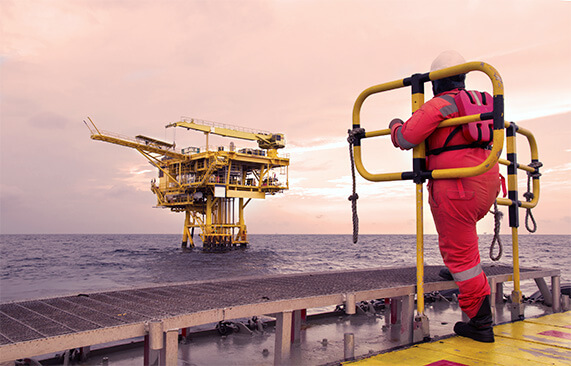
This course provides comprehensive knowledge on corrosion mechanisms, monitoring, prevention, and control strategies specific to offshore oil and gas structures. Participants learn to identify corrosion threats, assess risks, and implement corrosion management systems that extend asset life and minimize maintenance costs. The training focuses on offshore environments where seawater, humidity, and harsh marine conditions accelerate corrosion. Through real case studies, participants gain practical understanding of coating systems, cathodic protection, corrosion monitoring, inspection planning, and risk-based maintenance—all aligned with international standards such as NACE, ISO, and API.
FOR CORPORATE BOOKING
It’s a lot easy for companies (corporate) to book courses their personnel courses with us, we are very flexible.
What You Will Benefit When Your Book Corporate Training With Oil Train:
Training Time Flexibility
Quality training facility
Tailored Training Delivery Mode
Training venue flexibility ( We can deliver this training at your location)
- Hard copy certificate sent to you
To book:
send a request to [email protected]
Call Or Whatsapp
+2347036248614
Job Connect
Join Our Manpower Supply network
Course Outline
Module 1: Introduction to Offshore Corrosion and Management Concepts
Overview of offshore corrosion problems and their economic impact
Objectives and principles of corrosion management
Corrosion management system (CMS) structure and implementation framework
Module 2: Offshore Environment and Corrosion Mechanisms
Environmental conditions affecting corrosion offshore (humidity, temperature, salinity)
Types of corrosion in marine and offshore environments: galvanic, pitting, crevice, MIC, under-deposit, erosion, and stress cracking
Corrosion zones: atmospheric, splash, tidal, submerged, and buried
Module 3: Materials and Design for Corrosion Control
Material selection for offshore applications
Design strategies to minimize corrosion risk
Corrosion-resistant alloys (CRA), stainless steels, and coatings
Case examples of material failure due to poor selection
Module 4: Coating Systems for Offshore Structures
Coating types and selection criteria for offshore zones
Surface preparation and application methods
Inspection and quality control of coating operations
Maintenance painting and touch-up practices
Module 5: Cathodic Protection for Offshore Platforms
Principles of cathodic protection (CP)
Sacrificial anode and impressed current systems (ICCP)
CP design, installation, monitoring, and maintenance
Integration of CP with coating systems
Module 6: Corrosion Monitoring and Inspection Techniques
Corrosion monitoring tools: coupons, probes, sensors, ultrasonic testing
Inspection techniques for topside, subsea, and splash zones
Non-destructive testing (NDT) methods and data interpretation
Remote inspection and ROV-assisted monitoring
Module 7: Corrosion Risk Assessment and Management Planning
Corrosion risk identification and ranking
Developing and implementing a Corrosion Management Plan (CMP)
Risk-based inspection (RBI) and maintenance optimization
Data management, reporting, and KPI tracking
Module 8: Chemical Treatment and Inhibitor Application
Role of chemical inhibitors in offshore corrosion control
Selection, dosing, and monitoring of inhibitors
Compatibility with system materials and coatings
Environmental and safety considerations
Module 9: Failure Analysis and Case Studies
Common corrosion-related failures in offshore platforms
Root cause analysis (RCA) techniques
Lessons learned and best industry practices
Module 10: Health, Safety, and Environmental Considerations
Safe work practices during inspection and corrosion control activities
PPE and hazard identification
Waste handling and pollution prevention measures
Module 11: Developing an Offshore Corrosion Management System (CMS)
Key components of an effective CMS
Integration with Asset Integrity and Maintenance Management systems
Roles and responsibilities in corrosion control teams
Continuous improvement and audit processes
Module 12: Practical Demonstrations and Workshop Exercises
Real-life case reviews of offshore corrosion control programs
Data interpretation exercises and corrosion mapping
Hands-on use of inspection tools and reporting templates
Registration Is Ongoing:
- Register at any of the training centers nationwide
- Register by filling out the form and making payments online. ( click here to fill the registration form)
- WhatsApp +234 7036248614 to start your registration process.
Port Harcourt:
17 Sentel, East, West Road, Port Harcourt
Lagos:
No 2 Allen avenue, Ikeja Lagos
Other Locations we can deliver this training for corporate requests:
Ibadan, Warri, Calabar, Eketi, Enugu, Abuja, and others.
Online training available for this course:
To complete this training online Email: [email protected]
- Call or WhatsApp +234 7036 248 614
- Email [email protected]
Who Needs This Course:
Corrosion and integrity engineers
Offshore maintenance supervisors
Asset and facility managers
Coating inspectors and technicians
Cathodic protection specialists
QA/QC and inspection engineers
Offshore project engineers and marine contractors
Professional Pathway:
Completion of this course opens career advancement opportunities toward:
NACE/AMPP Corrosion Specialist Certifications
Offshore Integrity and Asset Management Programs
Cathodic Protection and Coating Inspection Certifications
Corrosion Engineering and Failure Analysis Roles
Maintenance and Reliability Engineering Positions
Testimonies
Our Accreditation & Standards