Pressure Vessel Inspection Course
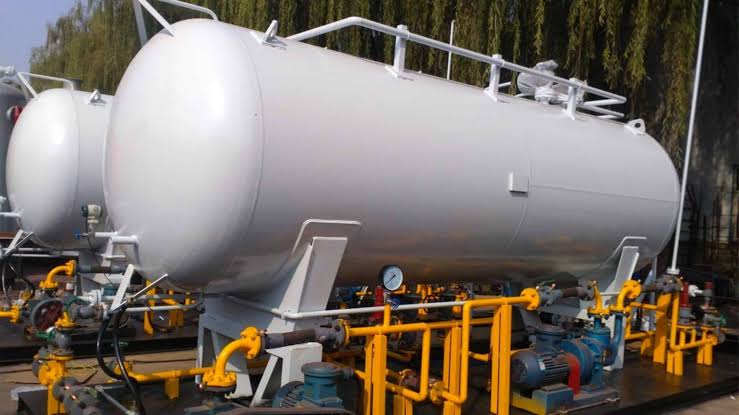
The Pressure Vessel Inspection Course provides participants with comprehensive knowledge and practical skills required to inspect, evaluate, and maintain pressure vessels used in industries such as oil and gas, petrochemical, power generation, manufacturing, marine, and process plants. Pressure vessels operate under high-pressure conditions and are critical to safe and efficient operations. Failure of these vessels can result in catastrophic accidents, environmental incidents, production losses, and significant financial costs.
This course equips participants with the ability to understand pressure vessel design principles, damage mechanisms, inspection requirements, integrity assessment techniques, applicable codes and standards, and maintenance best practices. Participants will learn how to identify defects, assess vessel condition, plan inspections, interpret inspection results, and recommend corrective actions to ensure continued safe operation and regulatory compliance.
FOR CORPORATE BOOKING
It’s a lot easy for companies (corporate) to book courses their personnel courses with us, we are very flexible.
What You Will Benefit When Your Book Corporate Training With Oil Train:
Training Time Flexibility
Quality training facility
Tailored Training Delivery Mode
Training venue flexibility ( We can deliver this training at your location)
- Hard copy certificate sent to you
To book:
send a request to [email protected], [email protected]
Call Or Whatsapp
+2347036248614
Job Connect
Join Our Manpower Supply network
Course Outline
Introduction to Pressure Vessel Inspection
- Fundamentals of pressure vessels
- Types and classifications of pressure vessels
- Pressure vessel applications in industry
- Roles and responsibilities of inspectors
- Importance of pressure vessel integrity
Pressure Vessel Design Fundamentals
- Pressure vessel components
- Vessel geometry and configurations
- Internal and external pressure considerations
- Design principles and calculations
- Design limitations and safety factors
Codes, Standards and Regulatory Requirements
- ASME Boiler and Pressure Vessel Code
- API inspection standards
- National regulatory requirements
- Industry best practices
- Compliance obligations
Materials of Construction
- Carbon steel vessels
- Stainless steel vessels
- Alloy materials
- Material properties and selection
- Material degradation mechanisms
Pressure Vessel Damage Mechanisms
- General corrosion
- Localized corrosion
- Erosion and erosion-corrosion
- Stress corrosion cracking
- Hydrogen damage
- Fatigue cracking
- Thermal degradation
- Creep damage
- Mechanical damage
Corrosion Assessment and Control
- Corrosion mechanisms in pressure vessels
- Corrosion monitoring techniques
- Corrosion rate determination
- Corrosion prevention strategies
- Corrosion management programs
Inspection Planning and Preparation
- Inspection objectives
- Risk-Based Inspection (RBI)
- Inspection intervals
- Inspection procedures
- Inspection safety requirements
Visual Inspection Techniques
- External visual inspection
- Internal visual inspection
- Surface defect identification
- Inspection documentation
- Reporting requirements
Non-Destructive Testing (NDT) Methods
- Visual Testing (VT)
- Ultrasonic Testing (UT)
- Magnetic Particle Testing (MT)
- Liquid Penetrant Testing (PT)
- Radiographic Testing (RT)
- Eddy Current Testing (ECT)
- Advanced NDT techniques
Thickness Measurement and Corrosion Monitoring
- Ultrasonic thickness measurements
- Corrosion mapping
- Remaining life calculations
- Corrosion trend analysis
- Monitoring programs
Pressure Testing and Leak Testing
- Hydrostatic testing
- Pneumatic testing
- Leak detection methods
- Test procedures and precautions
- Test result evaluation
Fitness-for-Service Assessment
- Fitness-for-Service principles
- API 579 overview
- Remaining life assessment
- Defect evaluation methods
- Repair versus replacement decisions
Pressure Relief Devices Inspection
- Safety relief valves
- Pressure relief systems
- Inspection requirements
- Testing and calibration
- Maintenance requirements
Repair and Alteration of Pressure Vessels
- Repair methods
- Welding repairs
- Temporary repairs
- Alteration requirements
- Post-repair inspection
Risk-Based Inspection (RBI)
- RBI methodology
- Probability of failure assessment
- Consequence of failure assessment
- Risk ranking and prioritization
- Inspection planning using RBI
Asset Integrity Management for Pressure Vessels
- Mechanical integrity programs
- Asset lifecycle management
- Inspection data management
- Reliability improvement
- Performance monitoring
Failure Analysis and Root Cause Investigation
- Failure investigation process
- Root Cause Analysis techniques
- Metallurgical examination
- Corrective actions
- Lessons learned
Storage Tanks and Pressure Vessel Interface
- Relationship between tanks and pressure vessels
- Shared degradation mechanisms
- Inspection considerations
- Operational integrity management
Digital Technologies in Pressure Vessel Inspection
- Digital inspection tools
- Inspection software systems
- Drone-assisted inspections
- Digital twins
- Predictive maintenance technologies
Health, Safety and Environmental Considerations
- Safe inspection practices
- Confined space entry requirements
- Hazard identification
- Permit-to-work systems
- Emergency response procedures
Inspection Documentation and Reporting
- Inspection records management
- Inspection reports preparation
- Regulatory documentation
- Integrity databases
- Audit requirements
Practical Workshops and Case Studies
- Pressure vessel inspection planning
- Corrosion assessment exercises
- Thickness measurement practical
- NDT interpretation exercises
- Fitness-for-Service case studies
- Failure investigation case studies
- Inspection report preparation
Benefits of Getting This Training and Certification
- Develop professional competence in pressure vessel inspection and integrity management.
- Enhance career opportunities in oil & gas, petrochemical, power, and manufacturing industries.
- Learn internationally recognized inspection practices and standards.
- Improve understanding of ASME, API, and industry inspection requirements.
- Strengthen skills in NDT, corrosion assessment, and integrity evaluation.
- Reduce equipment failures, downtime, and maintenance costs.
- Support regulatory compliance and operational safety.
- Improve asset reliability and lifecycle performance.
- Increase workplace safety and risk management capabilities.
- Demonstrate professional expertise through recognized certification.
Registration Is Ongoing:
- Register at any of the training centers nationwide
- Register by filling out the form and making payments online. ( click here to fill the registration form)
- WhatsApp +234 7036248614 to start your registration process.
Port Harcourt:
17 Sentel, East, West Road, Port Harcourt
Lagos:
LAGOS
205, Eko Plaza,
Cele Bus Stop
Akowonjo, Egbeda Directly Opposite NNPC Filling Station.
Other Locations we can deliver this training for corporate requests:
Ibadan, Warri, Calabar, Eketi, Enugu, Abuja, and others.
Online training available for this course:
To complete this training online Email: [email protected]
- Call or WhatsApp +234 7036 248 614
- Email [email protected]
Yes You can Take the AMPP Standard Of This Course And The Exams In Our Centre. Training Cost is $250, Exams Cost $3,950
Frequently Asked Questions (FAQs)
Who needs To Attend the asset integrity Course?
NDT professionals, Coating Inspectors and more
How many certificates will I receive after this course?
On completion, the participant will get one (1) certificate with an option for extra 1 certificates.
What certification will I get after completion of this training?
on completion, participants gets an AMPP standard of certificate from Oil Train
Testimonies

Our Accreditation & Standards